Every Hoose is built to give back more than it takes.
From healthier air and data-driven design, to carbon-storage and care for the land, each Hoose supports life today while restoring and protecting the land around it for tomorrows’ generations.
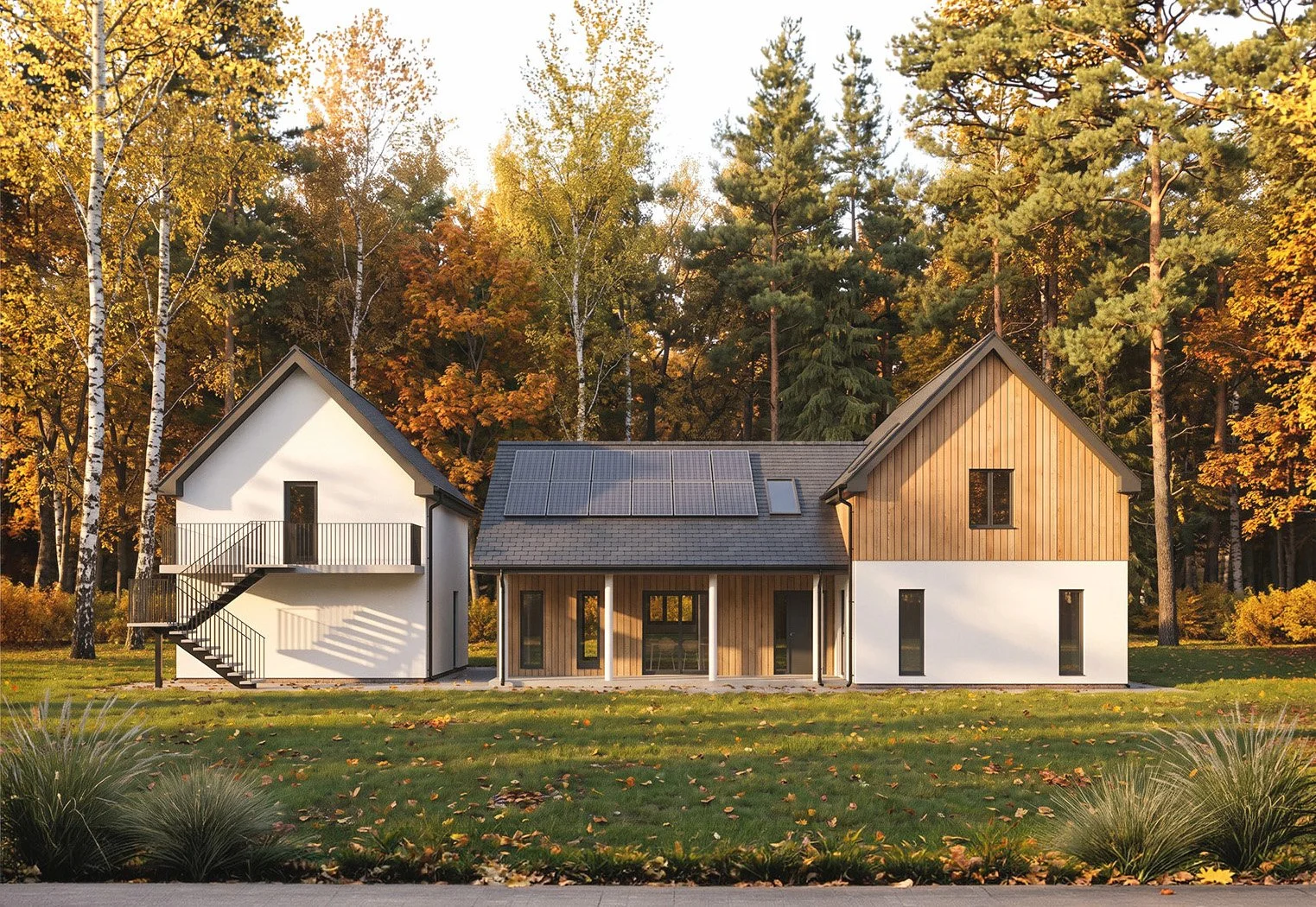
Endrick
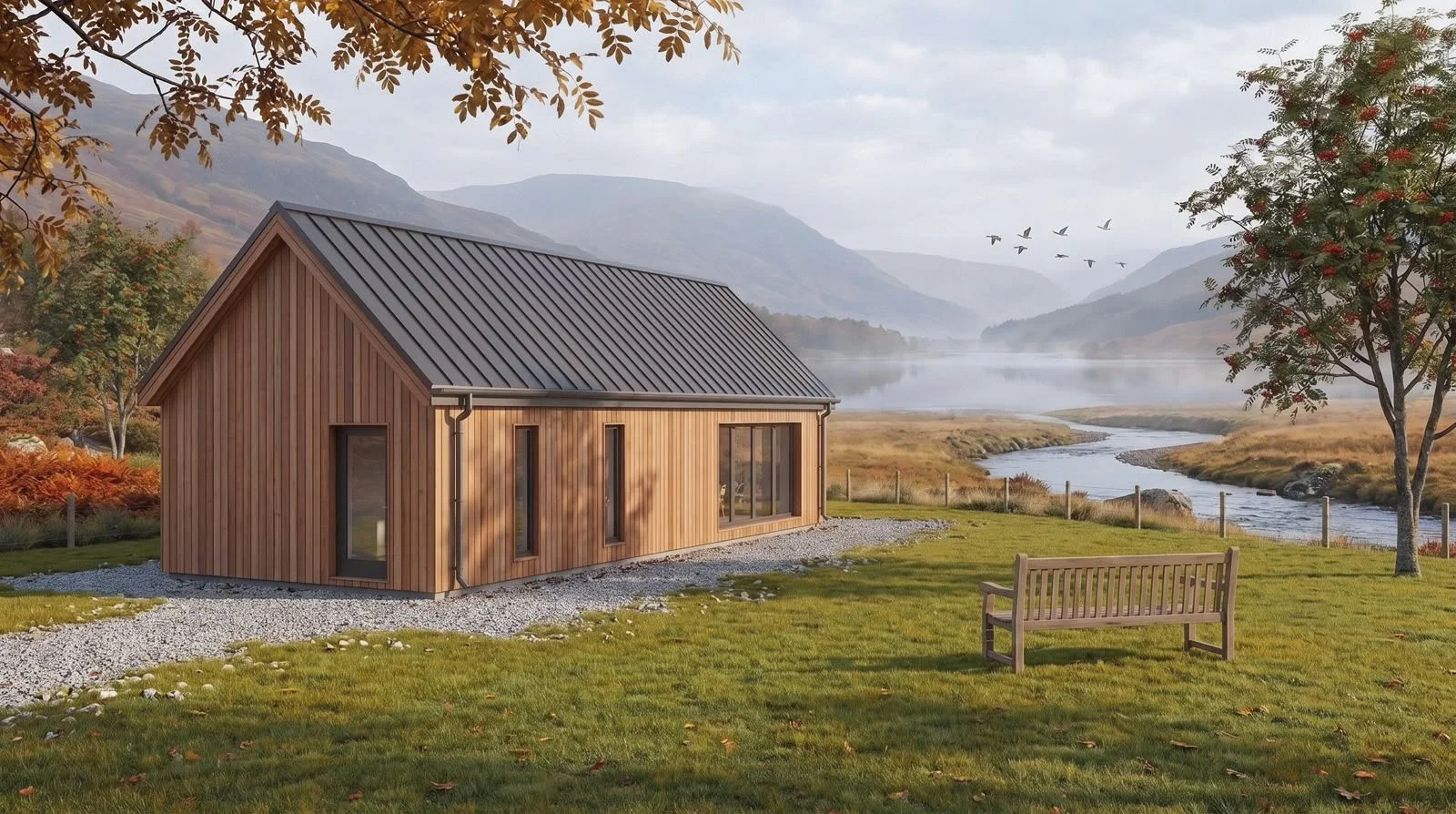
Keltie
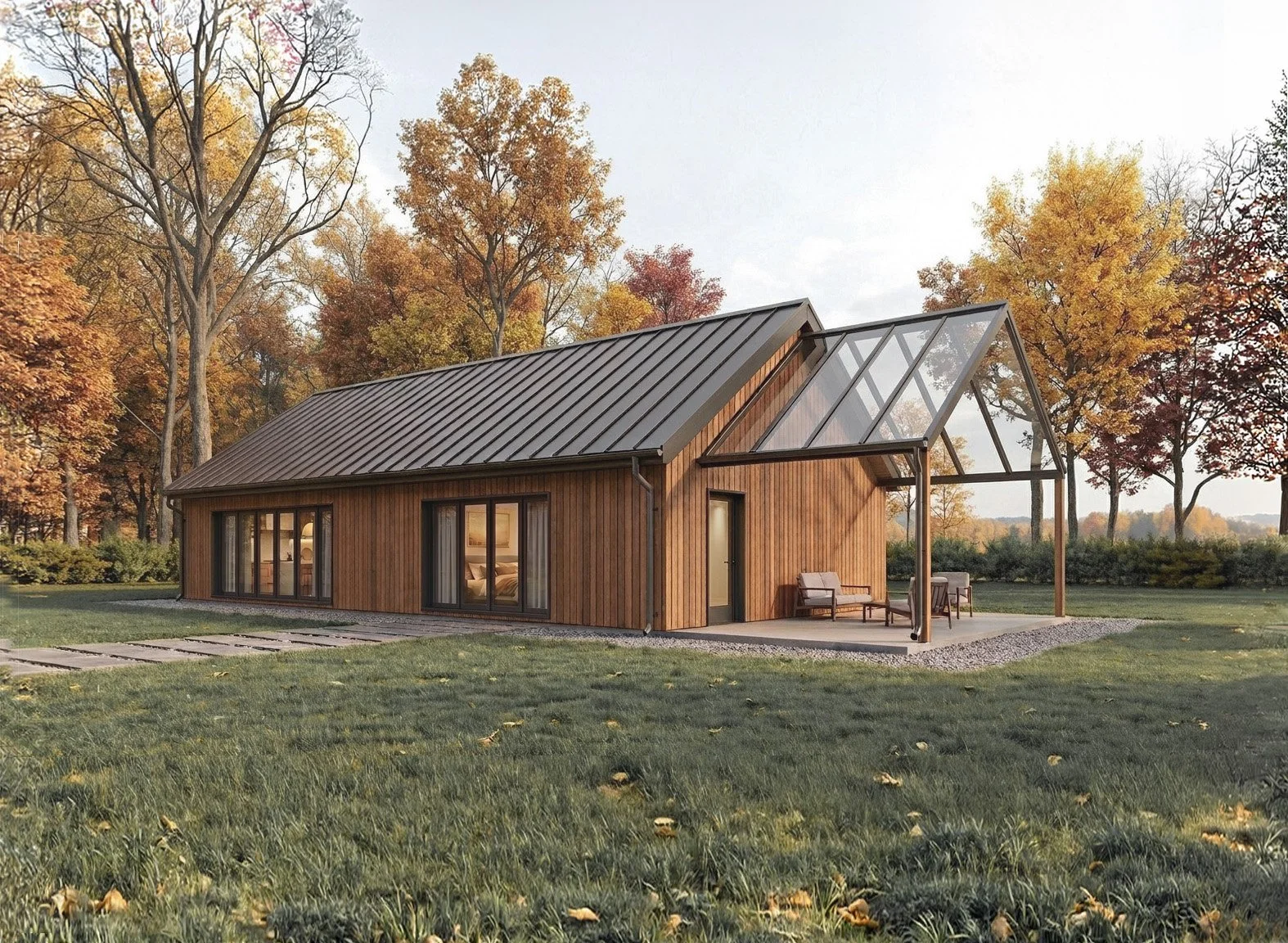
Teith
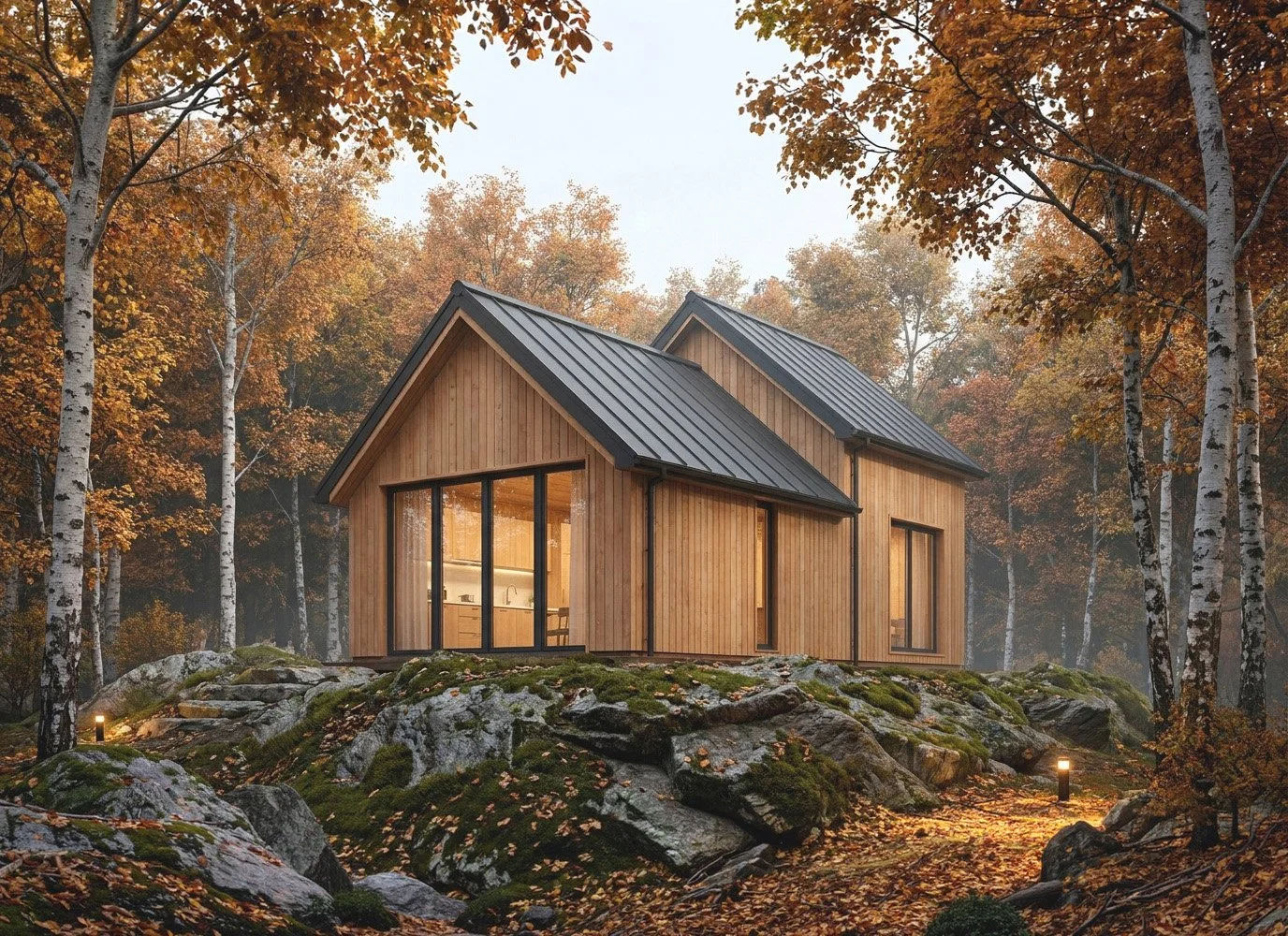
Esk
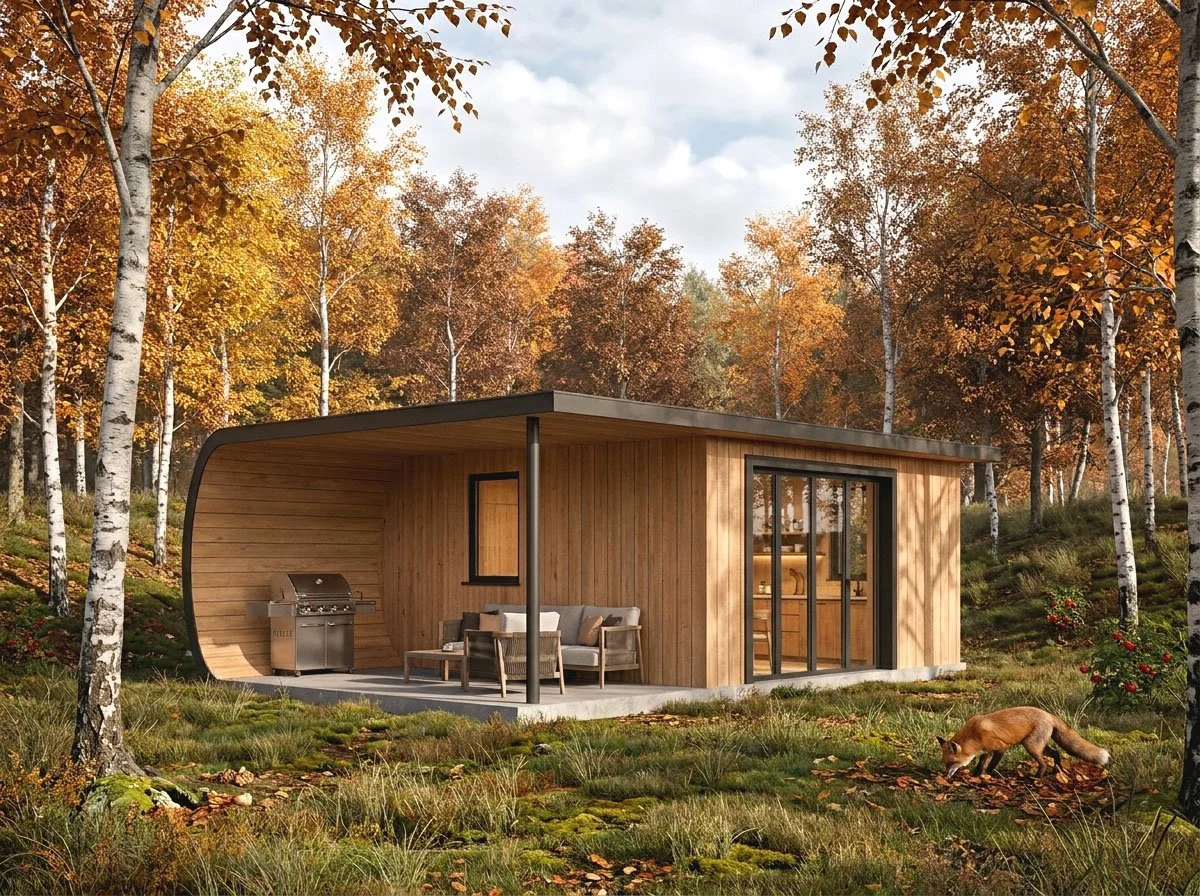
Annan
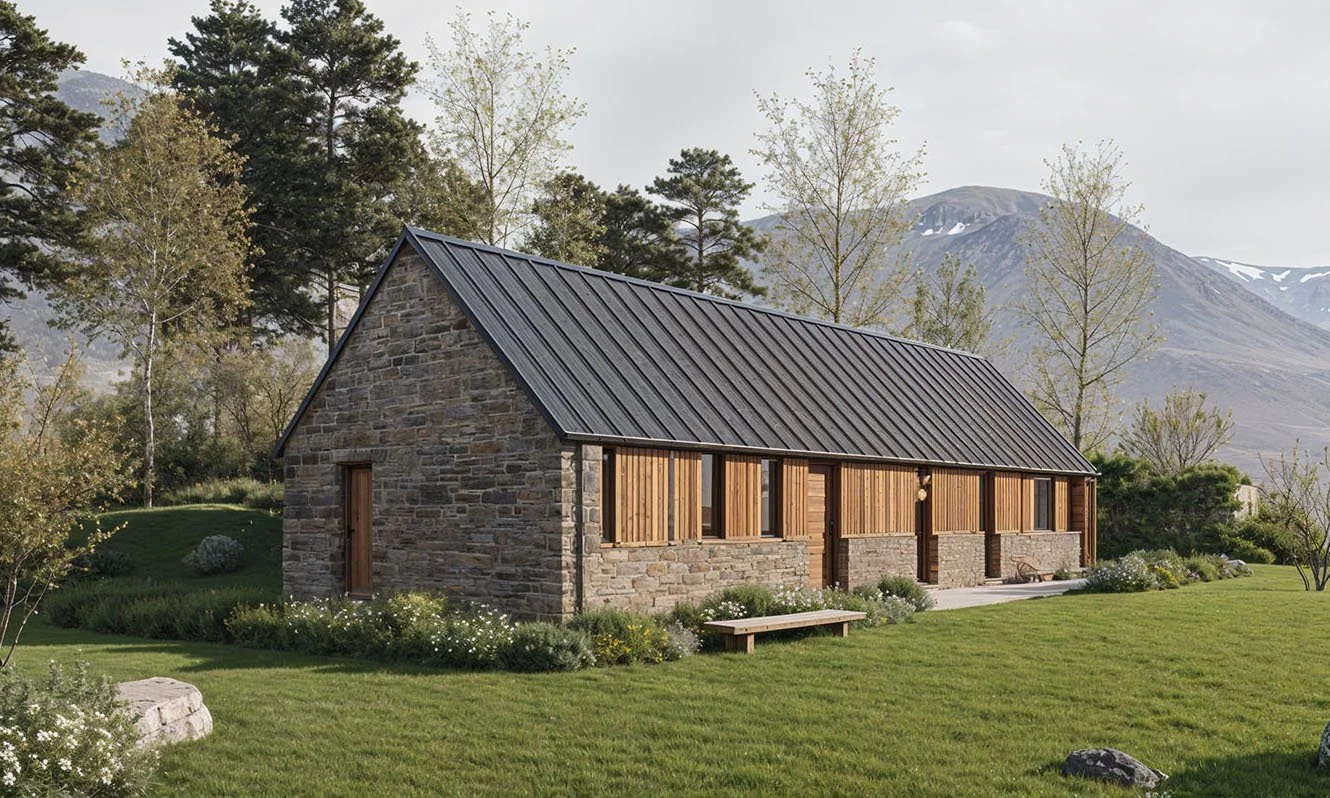
Custom Build
How Building With Hoose Works
At Hoose, everything is handled in-house. Our design, renewables, and build teams work together to guide you from land-to-living. Whether you already have land or are exploring potential sites, we help you understand its potential and shape a Hoose that sits naturally within its setting.
From selecting and adapting a Hoose through regenerative design, planning, and construction, we support you at every stage. Beyond handover, our support continues with ongoing guidance, performance monitoring, and access to a growing community of people committed to building and living well.
_____
Is Hoose Only for Private Builders?
No. While many people come to Hoose to create a home for themselves, we also work with community groups, housing associations, local authorities, architects, and developers. Our in-house design, renewables, and construction teams support projects from individual homes to multi-home and community-led developments.
Across collaborations, social and affordable housing, and community projects, we apply thoughtful, regenerative design and long-term performance to every home.
_____
The Hoose Standard
The Hoose Standard sets out how every Hoose is designed, built, and supported. They are informed by building physics and low-energy best practice, including principles associated with Passivhaus, but extend further to reflect a regenerative, whole-life approach. Together, they provide clarity, consistency, and confidence, ensuring every Hoose delivers lasting comfort, health, and value while contributing positively to the land, community, and climate.
_____






The Right Land, the Right Start
Whether you already own land or are still searching, we help assess sites for comfort, planning viability, and long-term performance, so your home fits its place from the start.
_____
Retrofitting for the Future
We transform existing buildings into healthy, low-energy homes while respecting the character you love, improving comfort, reducing bills and extending the life of what’s already there.
_____
Practical Guides for Better Decisions
Whether you're exploring land, understanding costs, or planning your future home, our guides are designed to help you make informed decisions with greater confidence at every stage of your journey.
_____